
FAQ: Common Misconceptions About Certified Translations
Understanding Certified Translations
Certified translations play a crucial role in legal, business, and personal matters where accuracy and authenticity are paramount. However, there are many misconceptions surrounding them. This FAQ aims to clear up some of these misunderstandings, providing clarity and confidence when seeking certified translation services.
What Is a Certified Translation?
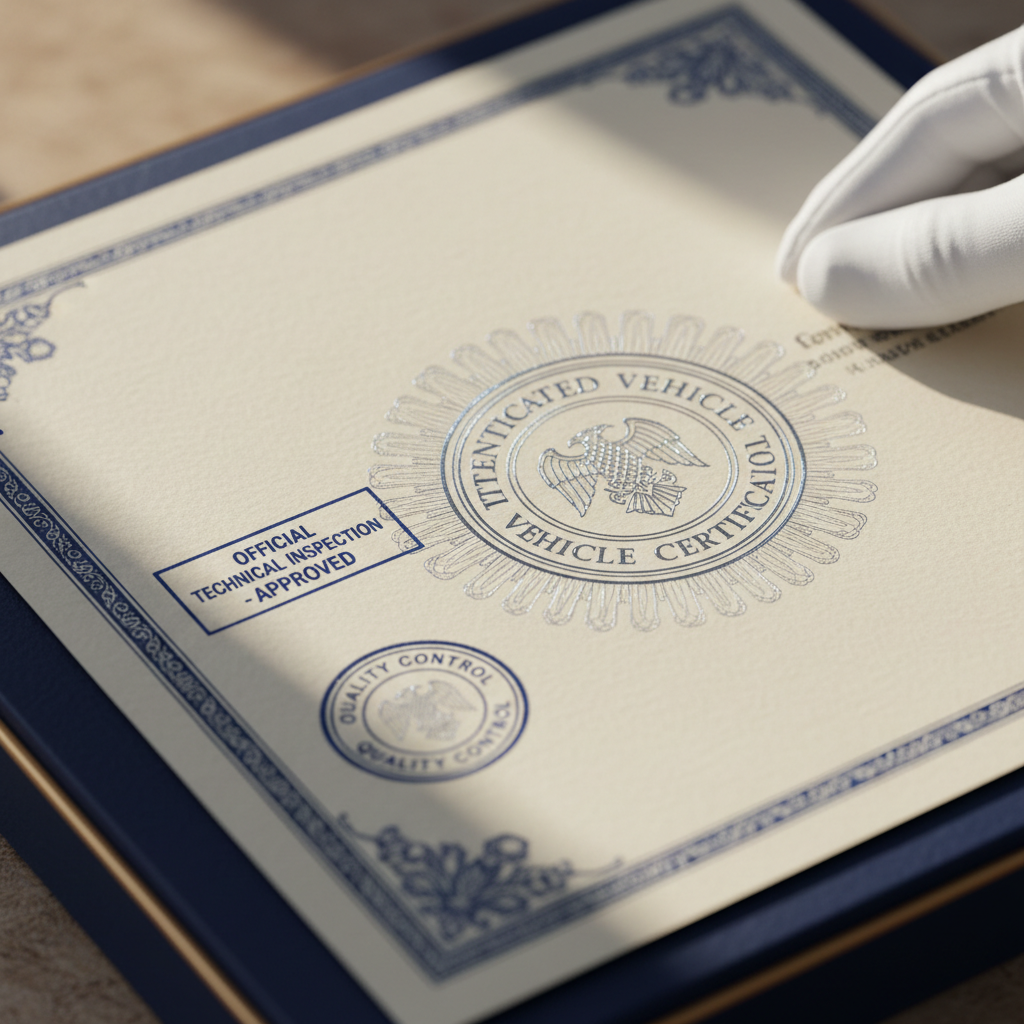
A certified translation is a document translated by a professional translator, accompanied by a signed statement attesting to the accuracy and completeness of the translation. This certification is often required for official documents like birth certificates, marriage licenses, and legal contracts.
It's important to note that a certified translation does not imply an endorsement of the content by the translator. Instead, it verifies that the translation is a true and accurate representation of the original document.
Misconception 1: Any Bilingual Person Can Provide a Certified Translation
One common misconception is that anyone who speaks two languages can provide a certified translation. While being bilingual is essential, certified translations require more than just language skills. They demand a deep understanding of the subject matter, terminology, and legal implications.

Professional translators are often trained and experienced in specific fields, ensuring that the translation is not only linguistically accurate but also contextually appropriate.
Misconception 2: Certified Translations Are Only Needed for Legal Documents
While legal documents are a significant category requiring certified translations, they are not the only ones. Educational transcripts, medical records, and even business agreements may require certification, depending on the requirements of the receiving entity.
It's advisable to check with the organization requesting the translation to determine if certification is necessary. This ensures compliance and avoids potential delays.

Misconception 3: Certified Translations Are Always Expensive
The cost of certified translations can vary widely, influenced by factors such as the complexity of the text, language pair, and turnaround time. While they may seem costly, the price often reflects the expertise and precision required to deliver an accurate translation.
Investing in a certified translation can save time and money in the long run by preventing misunderstandings or legal issues arising from inaccurate translations.
Misconception 4: Certified Translations Are Universally Accepted
Another misconception is that a certified translation is automatically accepted everywhere. Different countries and institutions may have specific requirements regarding who can provide a certified translation or how it should be formatted.
Before proceeding, it's wise to confirm the specific requirements of the institution or authority to which you are submitting the document.

Conclusion
Understanding the true nature of certified translations can prevent many common pitfalls. By dispelling these misconceptions, individuals and businesses can ensure they obtain the accurate and reliable translations they need for their official documents.
When in doubt, consult with a professional translation service to guide you through the process and provide the expertise needed for success.